
A propane fire safety analysis is a written look at fire risk at a bulk LP-gas plant. It is tied to the tanks, the product-control gear, the people on that yard, and the fire department that would roll there. It is not a policies manual. It is not a DOT security plan. It is a plant file, usually kept as a bound book you can hand to an inspector or to the local fire chief.
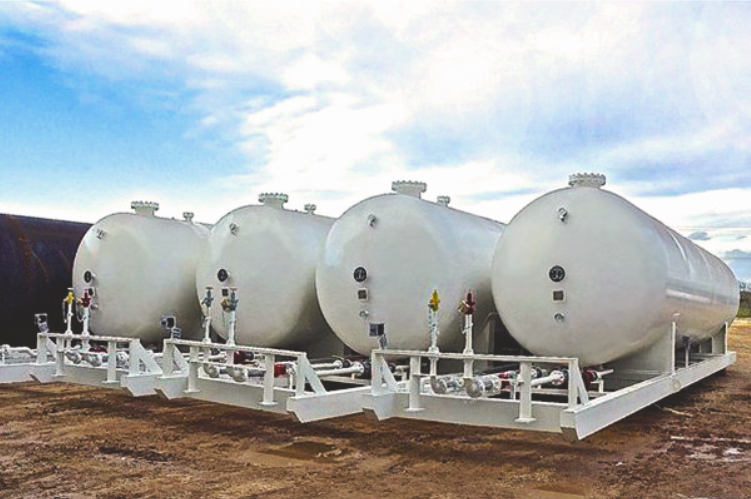
Who needs a written fire safety analysis?
Not every propane company. This site's fire-safety-analysis page and its NFPA 58-2024 reconciliation page both name a commonly cited trigger: total ASME container capacity above 4,000 gallons, and states vary. If you are over that line, you likely owe a written analysis. If you are under it, you may not. Check the current code text your state has adopted, and ask your local Authority Having Jurisdiction, before you treat any gallon figure as settled.
NFPA 58 is the Liquefied Petroleum Gas Code most U.S. propane bulk plants live under. It is not a federal law by itself. Your state adopts an edition, often with its own changes. The 4,000-gallon figure on this site is the commonly cited ASME-container trigger. Do not assume a neighboring state's rule is yours. A small cylinder shop and a bulk plant are not the same job.
What does a fire safety analysis actually cover?
It looks at how product is controlled at the plant, who is on site, and what happens if there is a fire. This site's fire-safety-analysis page lists three pieces: a review of the product-control system, a look at personnel and planning, and emergency steps for employees and for emergency-response agencies. Those are the bones of the file.
The analysis has to match the yard you run today. Tank sizes, piping, pumps, emergency shutoffs, and who is trained to use them all belong in the picture. So does how you would call the fire department and what you would tell them when they arrive. A book copied from another plant will not describe your valves. If the book and the yard disagree, the book is already wrong.
Propane industry training from the Propane Education & Research Council (PERC) is a different file. CETP, developed by PERC and administered by NPGA since 2012 — as this site already states — teaches people how to work around bulk storage. That training is not the fire safety analysis. The analysis is the plant file. The training is how your people work. You need both, and they should not contradict each other.
How is an FSA different from a policies manual or a DOT security plan?
The fire safety analysis is about fire at the plant. A policies and procedures manual is about how the company runs the day. A DOT hazmat security plan is about keeping people, trucks, and loads from being used the wrong way. They get asked for in the same visit. They are not the same document.
See what a propane policies and procedures manual is if that is the binder you cannot find. This site's NFPA 58-2024 reconciliation page treats the fire safety analysis as one of four books: policies, operations and maintenance, fire safety analysis, and the DOT plan. You may not need all four. No plant, no O&M book. Under the capacity line, no fire safety analysis. Most operators with a bobtail still need the security plan.
How often do you update a fire safety analysis?
Update it when the plant changes, when capacity changes, or when the code edition your state uses has moved. Do not copy a calendar from another document. Some pages on this site mention three-year clocks in the same breath as DOT and DHS security work. That clock is not something to paste onto the fire safety analysis without checking the current NFPA 58 text and your AHJ.
If you added a tank, changed piping, or changed how product leaves the plant, the old analysis is already stale. If your state moved to a newer NFPA 58 edition, read what that edition asks for before you hand the old book to an inspector. The federal pipeline-safety rule in 49 CFR Part 192 points at NFPA 58-2024 on January 1, 2027 for Part-192-jurisdictional LP-gas systems — not every propane company. Confirm the current rule text. Do not treat that date as your only clock.
Can software write the fire safety analysis for you?
No self-serve app on this site writes a finished fire safety analysis from a click. The deliverable is a written analysis — a manual — built to your plant. Operators who search for fire safety analysis manual software are usually looking for a file they can keep, print, and update without starting from a blank page. That is a writing job, not a dashboard.
Propane Safety Pro writes the analysis from facts about your plant. The safety app is a separate tool for field work. Do not expect software to invent the shutoffs, the tank sizes, or the fire-department plan. Those facts come from your yard. A generic template with your name in the header will not survive a walk-through.
How do you get an FSA written to your plant?
You hire the writing. On the Fire Safety Analysis Manual product page, the job is a written analysis for propane storage facilities. On the related fire-safety-analysis page, Propane Safety Pro prepares and updates the file for bulk plants. The intake used for the other manuals on this site is the same idea: plant, storage, and who does what, then a print-ready book.
You should not have to write it yourself if you are hiring the work. If you already have an old analysis, send it. Sometimes the answer is an update, not a whole new book. If you are under the capacity line, this site's reconciliation page says they tell you that in writing instead of selling paper you do not need. Three tanks or thirty, the file has to match the yard the same way.
What should you check in the current code text?
Check the NFPA 58 edition your state has adopted, any state changes, and what your local AHJ will ask to see. Confirm the gallon trigger. Confirm whether your plant is in or out. Then open the book you have. If it describes tanks you no longer own, it is not your analysis.
How to choose propane safety manuals walks through that check for the whole set of books. If you want the intake, contact Propane Safety Pro or call 610-228-0887. We write the plant file. You do not have to.
Every book we write, side by side: see all Propane Safety Pro safety manuals.
Last reviewed: September 2026. Author: The Propane Safety Pro team. This page is general information for U.S. propane marketers and is not legal advice. Code editions, state adoptions, and insurer expectations change. Confirm the current code text and your own obligations with your state authority having jurisdiction, your insurance carrier, or counsel. Propane industry training facts on this page (CETP developed by PERC and administered by NPGA since 2012) follow this site's existing CETP page. Gallon triggers and NFPA 58 notes follow this site's fire-safety-analysis and NFPA 58-2024 reconciliation pages.